
The expressions Matan Torah and Kabbalat Torah suggest both a giving and a receiving of Torah. However, a riveting midrash (Tanhuma, Ekev 11) depicts a very different picture. It describes the tablets measuring six handbreadths in height and imagines God holding the upper third, Moshe holding the lower third with the middle third remaining in between the divine giver and the human recipient. Moshe then reached out and grasped the middle third, overpowering God as it were, drawing the tablets entirely into the human domain.
Inspired by this midrash, Rabbi Yerucham Leibovitz (1873-1936) who served as spiritual head of the famous Mir Yeshivah in Poland, suggests that the assumption that God simply gifts Torah to us is mistaken. We are meant to be more than passive recipients. We are encouraged to actively reach, if not overreach, for the Torah so that we can possess it.
I think this message is particularly relevant to women who too often assume a passive stance when it comes to Torah. They wait patiently to receive what others deem acceptable for them to receive, even when it is blatantly inadequate. The midrash indicates otherwise. When it comes to Torah there is no shame in demanding and grasping for more. On the contrary, it is through this hunger for greater access to Torah that Torah is truly honored.
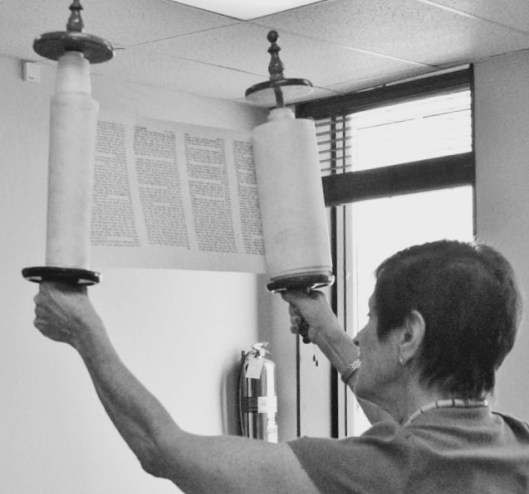
This iconic image of Belda Lindenbaum z’’l holding the Torah aloft for hagba’ah encapsulates this message. Belda boldly staked her claim and pushed all barriers to bring Torah into women’s domain.
This Shavuot, let us all seize our share of Torah.
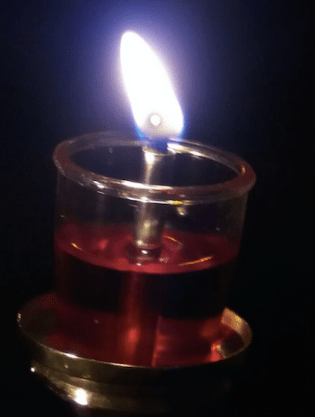 The Hanukkah lights are traditionally positioned at the window, so that they illuminate the darkness outside of our homes. This mitzvah speaks of our obligation to brighten the lives of those outside the nucleus of our family and our own community.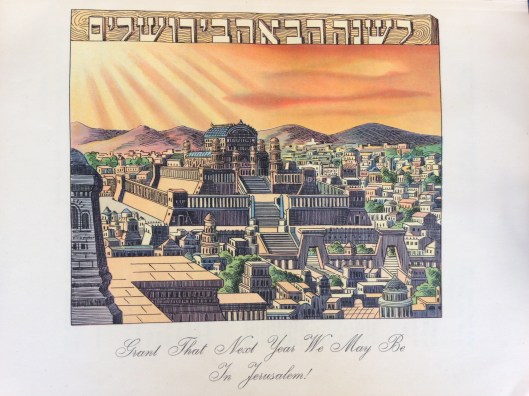
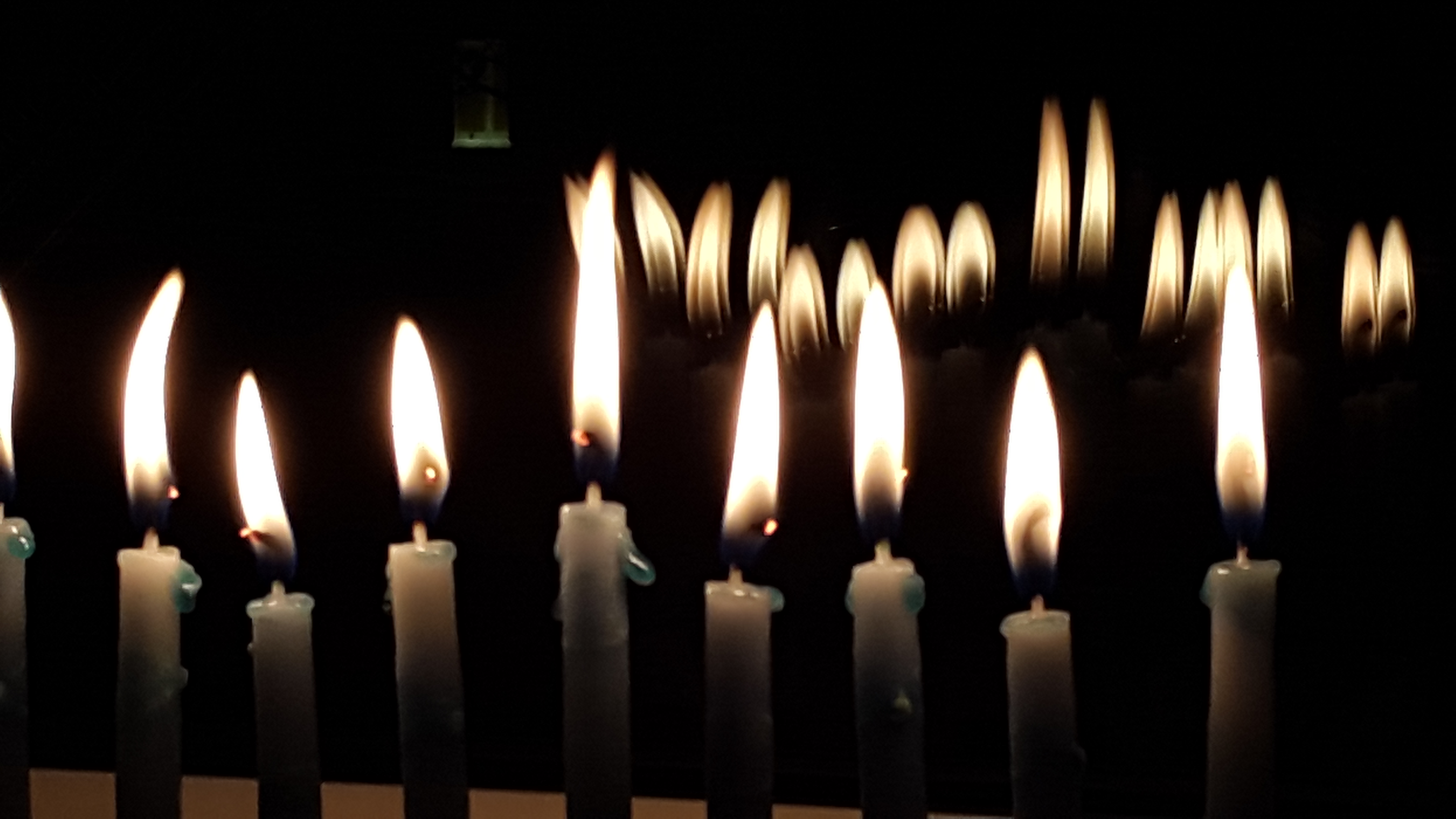 I have been mulling over this for the last week while preparing various Hanukkah shiurim.
 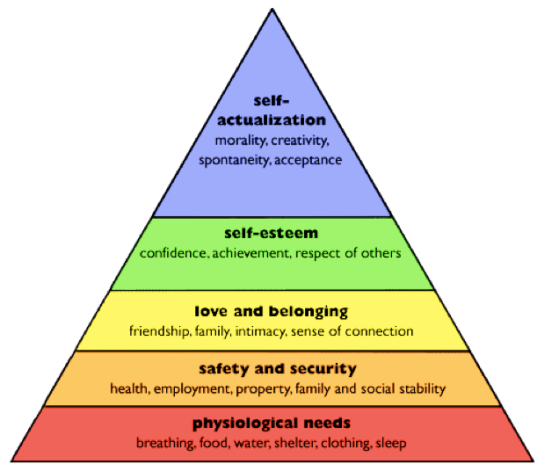 The American Psychologist Abraham Maslow (1908-1970) posited a five level hierarchy of human needs. The bottom two levels of the Pyramid consist of most basic human needs such as food, shelter, health and security. The upper two levels consist of such elevated needs as self-esteem and self actualization. The middle level, which is the access point to the higher two, consists of love and belonging; needs that are best met in the context of family and close friendships. In other words, being secure in one’s own loving relationships is the foundation upon which the individual can come to the more elevated levels of altruism; extending love and compassion to strangers.

 dinabrawer